
Blog
One new article every week about Event Modeling, Event Sourcing and Vertical Sliced Architectures.
Every Solution the AI Suggested Was Technically Correct — But Would Have Killed the Architecture
The AI built everything I asked for — correctly. And every single decision would have been fatal. Here's the JSON blob, the sync nightmare, and how event sourcing saved the architecture.
Auditability is Not Just for Regulated Industries
You don't need Mark from compliance to care about auditability. Your system makes decisions every day — the only question is whether you're storing them.
A Simple Guide to Spec-Driven Development
What I've built is closer to a very disciplined, very tireless junior developer. The thinking still happens before the agent touches a single line. Here's exactly how spec-driven development works.
Why Your Legacy Modernization Plan Might Fail - Before You Write a Single Line of Code
The roadmap isn't the problem. The invisible complexity underneath it is. Here's what actually happens when you start digging into legacy systems — and how AI changes the modernization game.
Is Your Code Structure Irrelevant for AI? The Slice-Based Revolution
How do you structure your codebase so an AI can read it? That's the wrong question. The right question is how do you make isolated capabilities accessible without requiring full comprehension of the system.
Your Software Project Dies on Day 2 - It's the Data That Kills You
We learned to deal with messy code. But when you hit coupling in your data layer, that's where the cursing starts. Why AI-generated projects fail after the first iteration.
Stacked-PRs are a band-aid on a broken leg
Stacked PRs don't fix the review problem - they mask deeper issues with coupling and feature slicing that teams need to address.
The Future Doesn't Need Your Perfect Code
A bold prediction: within 2 years, specifications will be the only thing we version control. Code will be generated on-demand. Tests will be ephemeral.
A Beautifully Simple Solution to Multi-Tenancy in Event Sourcing
One forgotten WHERE clause and Customer A sees Customer B's invoices. Here's how we made it impossible using Row Level Security.
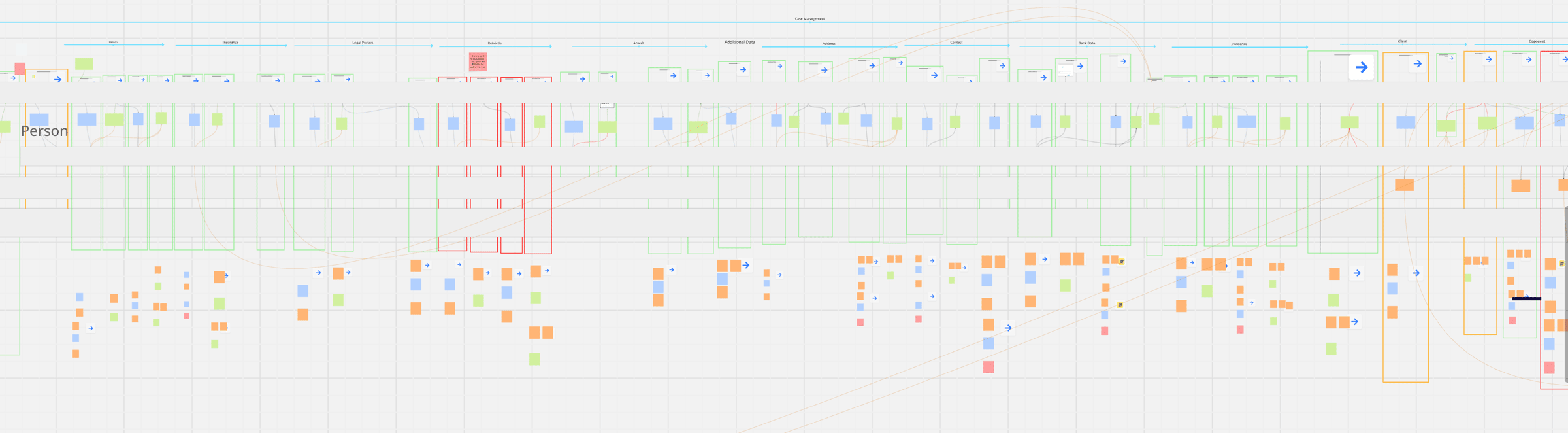
An Event-Sourced SaaS Story - 150+ Tables, Zero Joins, Almost Zero Operation Cost
The system is a Monolith, running on the JVM, built with a Team of 4, one deployable, 240 independent slices. 90% AI-generated code.
What Happens if You Run Claude-Code in a Loop? The RALPH Loop Explained
The RALPH Loop isn't magic - it's Agile for AI. And it only works if you invest in defining tasks properly first.
The Sane Way to Migrate Your Legacy Project Towards an Event-Driven Architecture
Two days of Event Modeling can save you months of "this is way bigger than we planned."
I Still Feel the Urge to Reuse Code (Even Though I Know It's Wrong)
After years of watching software projects slow to a crawl, I finally figured out what nobody wanted to admit - the real enemy isn't bad developers or changing requirements. It's coupling.
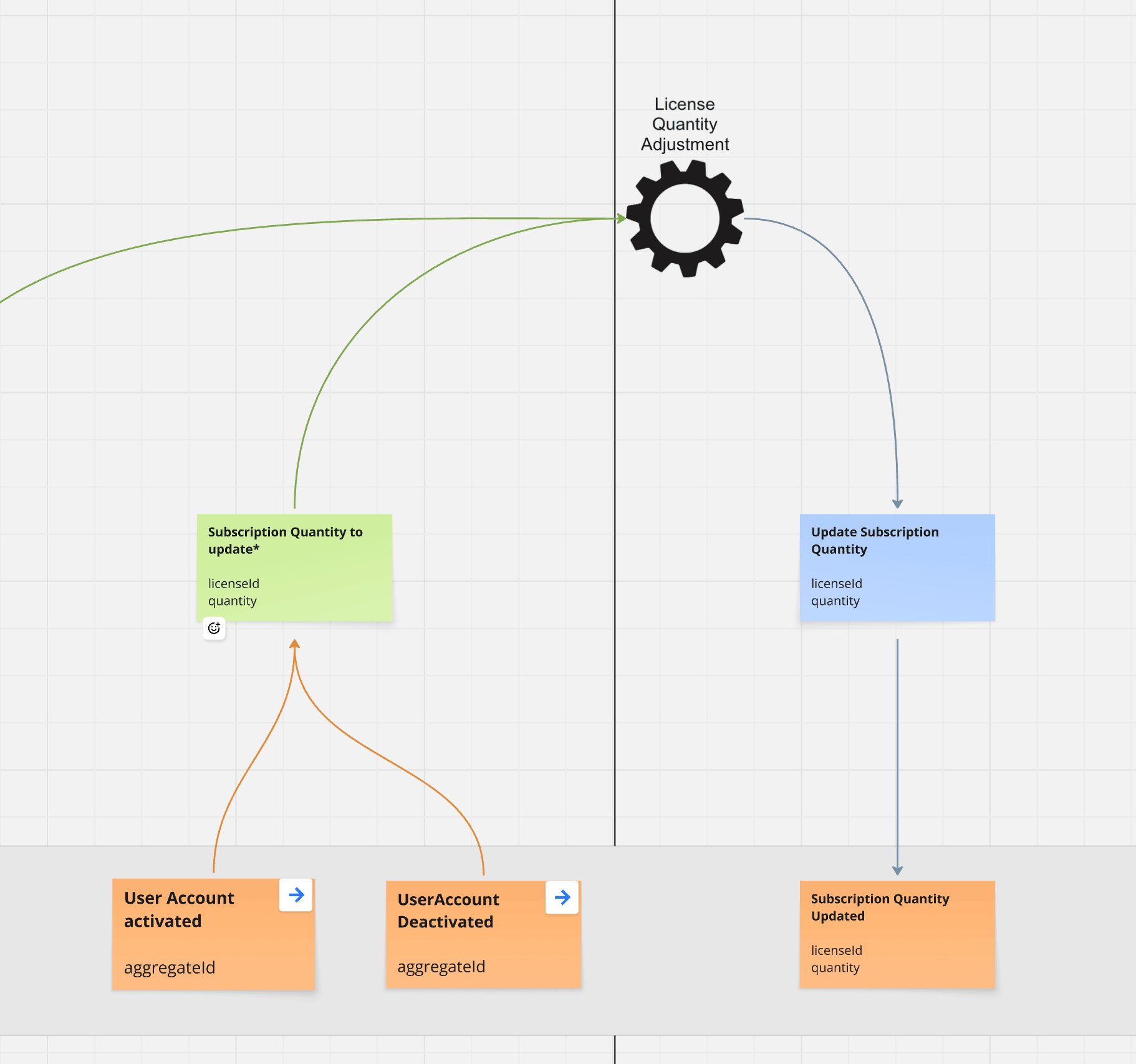
How we implemented our Stripe Integration - 10 Slices, No Webhook Nightmares
Our entire Stripe integration consists of 10 clean slices. No webhook nightmares, no 2am production bugs. Learn how event modeling first made our payment integration boring and reliable.
The Sound of Software - Why the Best Systems Sound Like Symphonies
Software is like musical notes flowing from left to right. When crafted well, they paint a beautiful melody. The best symphonies tell stories. Software is the same.
The Question That Won't Go Away - Event Sourcing and User Experience
How to combine the asynchronous nature of Event Sourcing with good user experience using four simple tricks

This Feature Typically Punches Your Beautiful Architecture in the Mouth
How to handle the "one more thing" that threatens to couple your entire system
Why Kartographing Your Legacy System is the Best Investment You'll Ever Make
Skipping it will cost you 10x later
CDC is What You Do When You're Not Allowed to Use Event Sourcing
Teams willingly embrace CDC's complexity but reject Event Sourcing as too complicated. What's really going on?
Please Don't Rewrite Your Legacy System
Why your legacy codebase is a treasure trove of expensive knowledge and how to modernize without starting over
The productive Builder - how to find focus as a Software Developer
Most developers think productivity is about focus, tools, or time management. They might be chasing the wrong thing.
When Event Sourcing Doesn't Make Sense (And How to Know the Difference)
An event marks a business-relevant change in your domain or system. Not every data change is a business change.
How Simple Should a Command Handler Be?
Understanding Command Handler simplicity, purity, and practical rules for structuring your Event Sourcing code

7 Insights I Learned Building Event Models Since 2021
Practical "tricks" to help you build better Event Models - from hands-on experience modeling real systems
Should You Reuse Aggregate-State in Your Projections?
Finding the right Aggregate Boundaries and understanding the role of state in Event Sourcing
Choreography or Orchestration? The TODO List Pattern Alternative
A simpler third option for coordinating distributed processes that's easier to debug and maintain
How to Keep Your Models Maintainable Over Time
Practical strategies to keep Event Models stable and manageable as they grow and evolve
The Problem with Code Reuse - Why DRY Isn't Always the Answer
Why DRY isn't always the answer and preventing coupling is more important than code reuse
How to Model Branches in Event Modeling - Linearize Your Conditional Flows
Linearize your conditional flows using Given/When/Then and maintain clear, readable models
How to Model External Systems - Information Flow vs Implementation
Understanding information flow vs implementation when modeling external APIs and services in Event Modeling
An important lesson in history
Messaging, not Objects: Alan Kay's wisdom and why Event Modeling follows this recipe to the letter
Reliably planning software with slices
How Event Modeling and Slices provide transparent, data-driven roadmap planning

Integrating with Legacy Systems
How Change Data Capture (CDC) unchains data from legacy systems
How to protect your system against seismic shifts
Building adaptable systems with Event Sourcing and isolated slices
The Internal Fix Price Model
Why assuming the risk makes you a better developer and how Event Modeling enables predictable delivery
How to bring Event Modeling to your company
Start small, win big: Practical ways to introduce Event Modeling without overwhelming your team
How to model branches in Event Modeling
Linearize your conditional flows using Given/When/Then and maintain clear, readable models
The problem with code reuse
Why DRY isn't always the answer and preventing coupling is more important than code reuse
Collaborative Modeling in the Age of AI
The clearer you make the What, the less likely you'll face nasty surprises.
Why Your Event Modeling Workshop Didn't Stick (And What Actually Works)
Event Modeling doesn't fail in isolation. It fails at the breaks in your value chain.
How Event Modeling Became the Perfect AI Enabler (And Why Vibe Coding Will Always Fail)
AI is the accelerant. Event Modeling is the structure that makes it work.
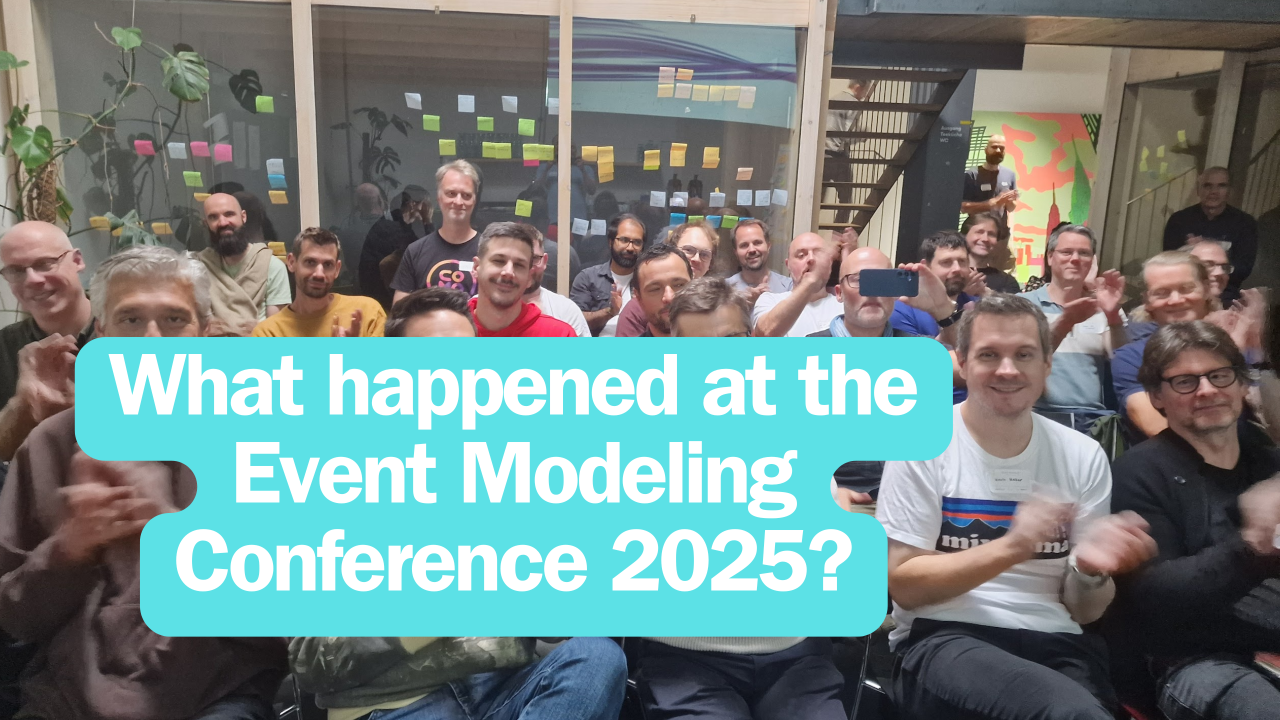
40 Practitioners, 2 Days, and the Future of Software Design: What Happened at the First Event Modeling Conference in Munich?
Pattern recognition happening at high speed. When practitioners challenge each other respectfully, learning accelerates exponentially.
The Furniture Store of Anti-Patterns: Spotting Overcomplicated Event Models
You can spot them from the Shapes alone.
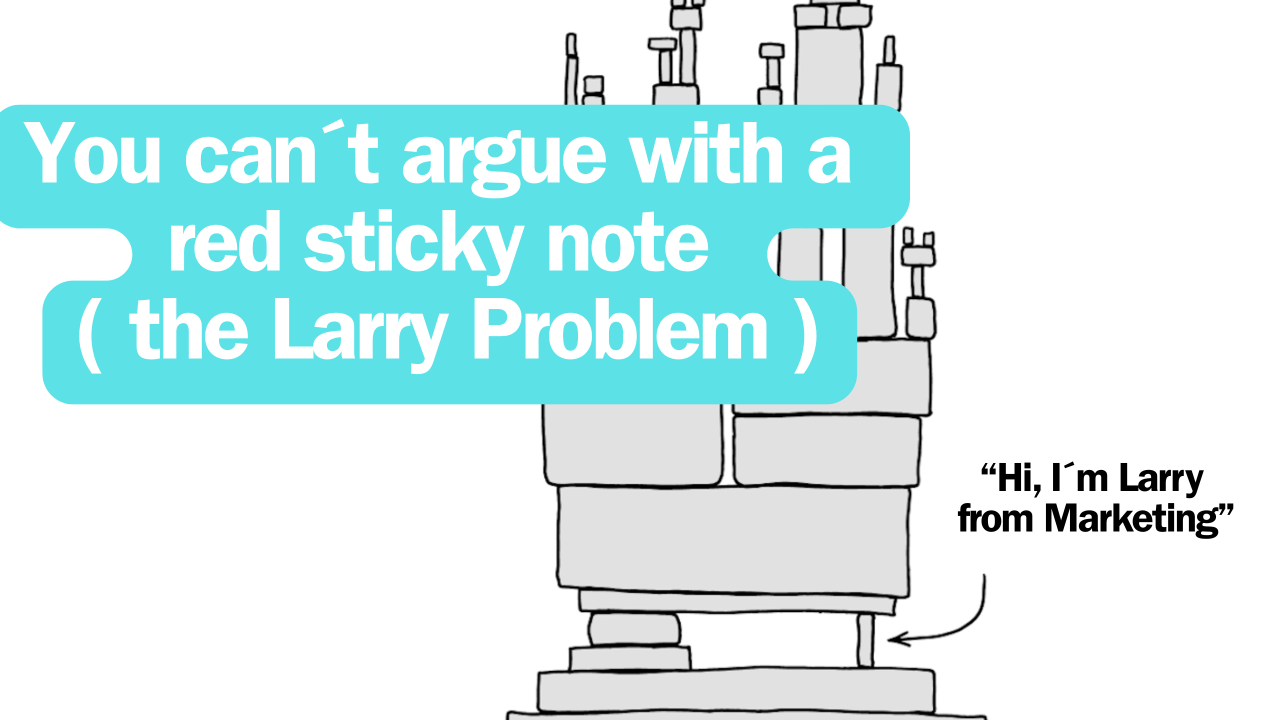
You Can't Argue with a Red Sticky Note
Those red sticky notes aren't marking failures - they're marking discoveries.
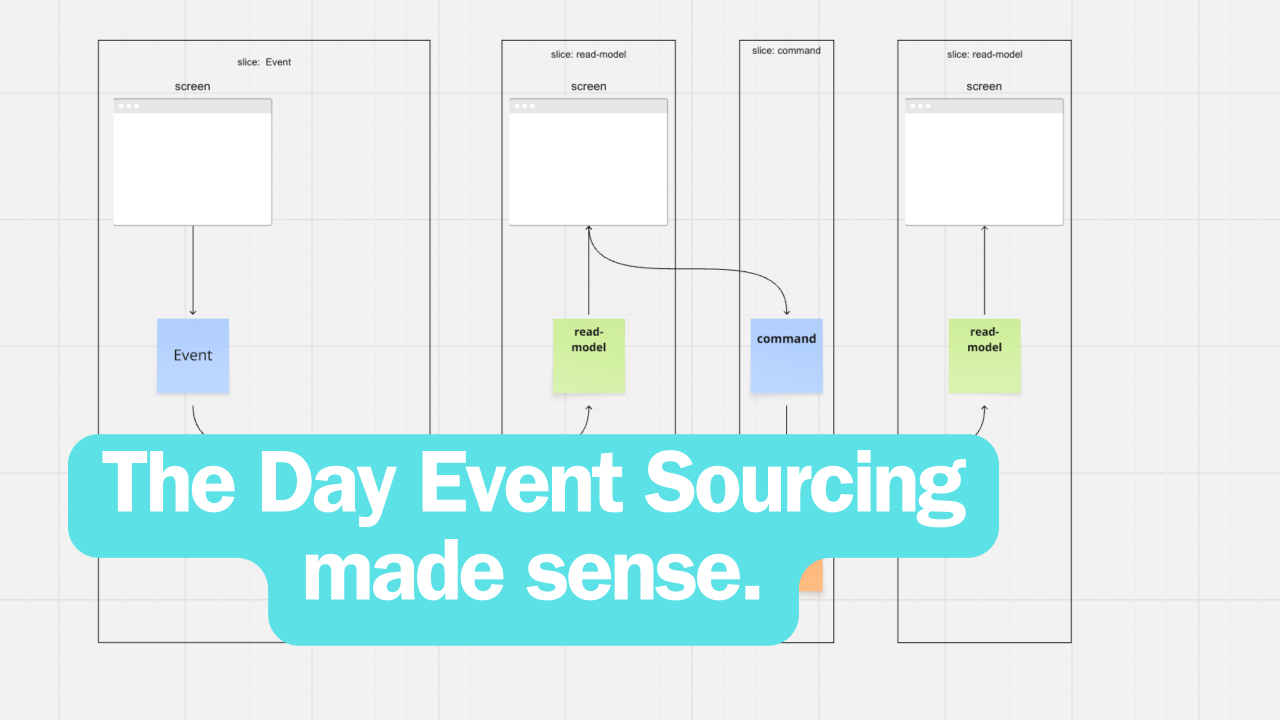
The Day Event Sourcing Finally Made Sense (And Why It's Actually Simple)
Event sourcing isn't complex - it's complete. It doesn't hide information; it preserves it.
The 300-Column Database Table and How to Escape Legacy Hell
How Event Modeling helps you unchain data from legacy systems and make organizations tick again
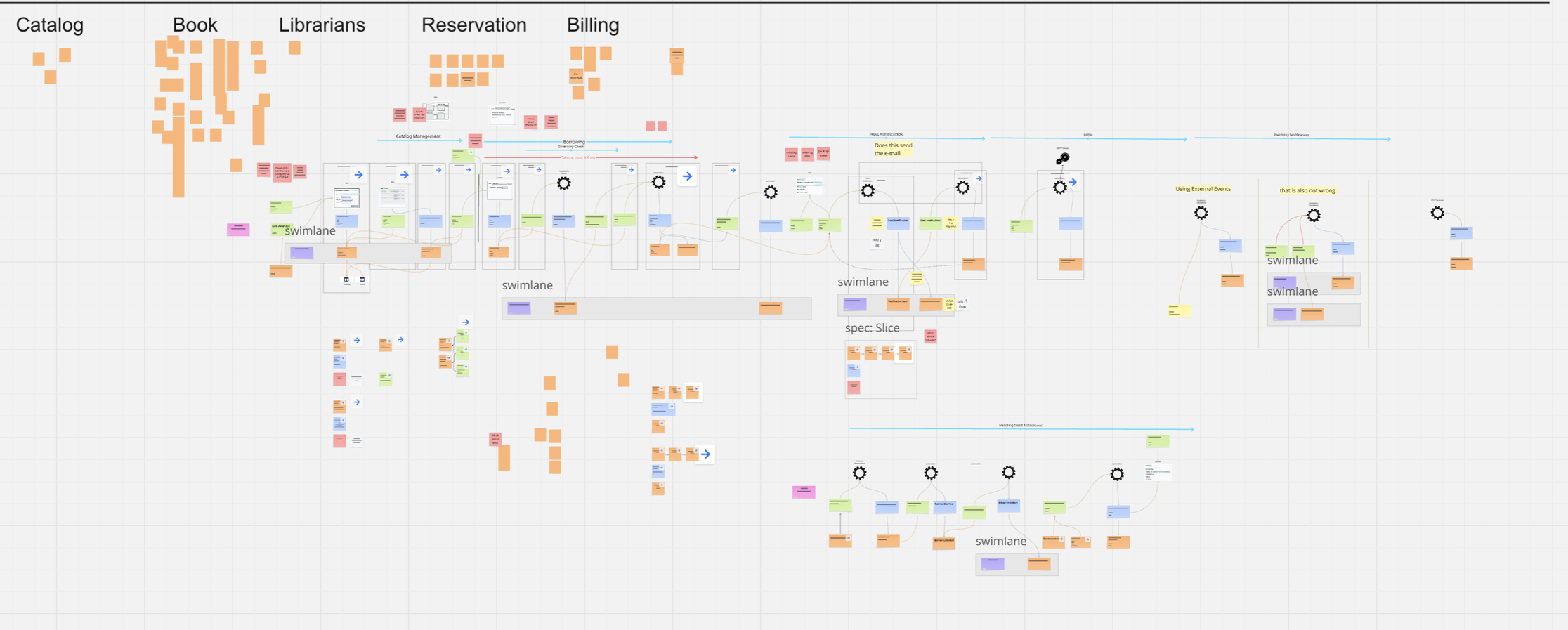
Why People Get Up at 2 AM to Learn Event Modeling (And What Happened When They Did)
Inside an Event Modeling workshop that changed how teams think about software
Your wonderful microservice architecture? I don't care. Show me the coupling.
The architecture diagram doesn't tell you anything - the coupling does
CQRS in Action - A Real World Simple Architecture
How event sourcing and CQRS provide the flexibility to adapt and grow your system without mental tax
If you are in Software Engineering - 80% of your work should be planning
Real planning means all questions are cleared and you only need to execute
Versioning in Event Sourcing: The Elephant in the Room
Why event versioning isn't as scary as you think, and how to handle schema evolution with confidence
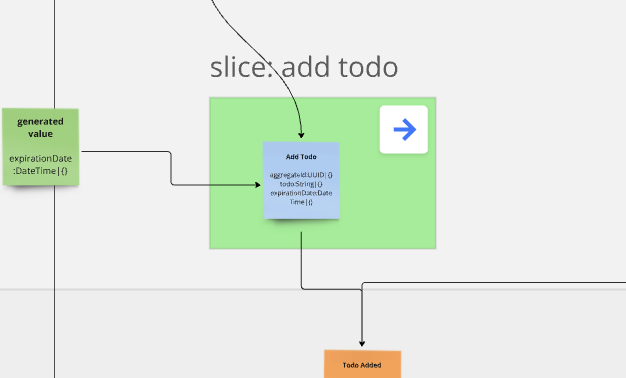
If You Can't Add Developers and Go Faster, Adding AI Agents Won't Work Either
The future of software isn't about coding speed - it's about solving the coupling problem we've ignored for decades
State-Based Systems Are Doomed to Fail
Why adding features accelerates system decay and how understanding events changes everything
Documenting Software with Event Modeling
One of the most important tools for documenting and developing complex software systems
Eventmodeling: Describing Business Rules with Given/When/Then
How to make business rules visual, understandable, and testable
Modeling and Implementing Asynchronous Background Processes with Event Modeling
From theory to practice: modeling and implementing automated background processes
Event Sourcing Doesn't Mean Everything Must Be Event Sourced
Clearing up one of the biggest misconceptions about Event Sourcing
The Wall: The Simple Pattern That Kills 90% of Projects (And How to Break It)
Recognizing and breaking through the invisible barrier that stops most projects
Aggregates, Sagas and an unresolved concurrency issue
How to model the Bank Account example - simplified without unnecessary complexity
Event Modeling a Library System Step by Step
A complete example showing how to visualize and understand any system using Event Modeling
What is an Aggregate - and why I hate this question
Understanding Aggregates through the lens of consistency and use cases, not objects

10 Learnings from 10 Years of Microservice Development
Fundamental principles that have proven themselves time and time again - and none of them have anything to do with specific frameworks or technologies

Software is Hard to Estimate But Easy to Plan
Learn from the carpenter: how Event Modeling breaks down software into predictable slices for accurate planning without abstract estimates

The Perfect Software Model for Startups
Why fact-based software architecture is ideal for dynamic startup environments where requirements constantly change
Documenting Legacy Systems with Event Modeling
How to document existing systems using Event Modeling patterns - understand data flow, dependencies, and accelerate onboarding